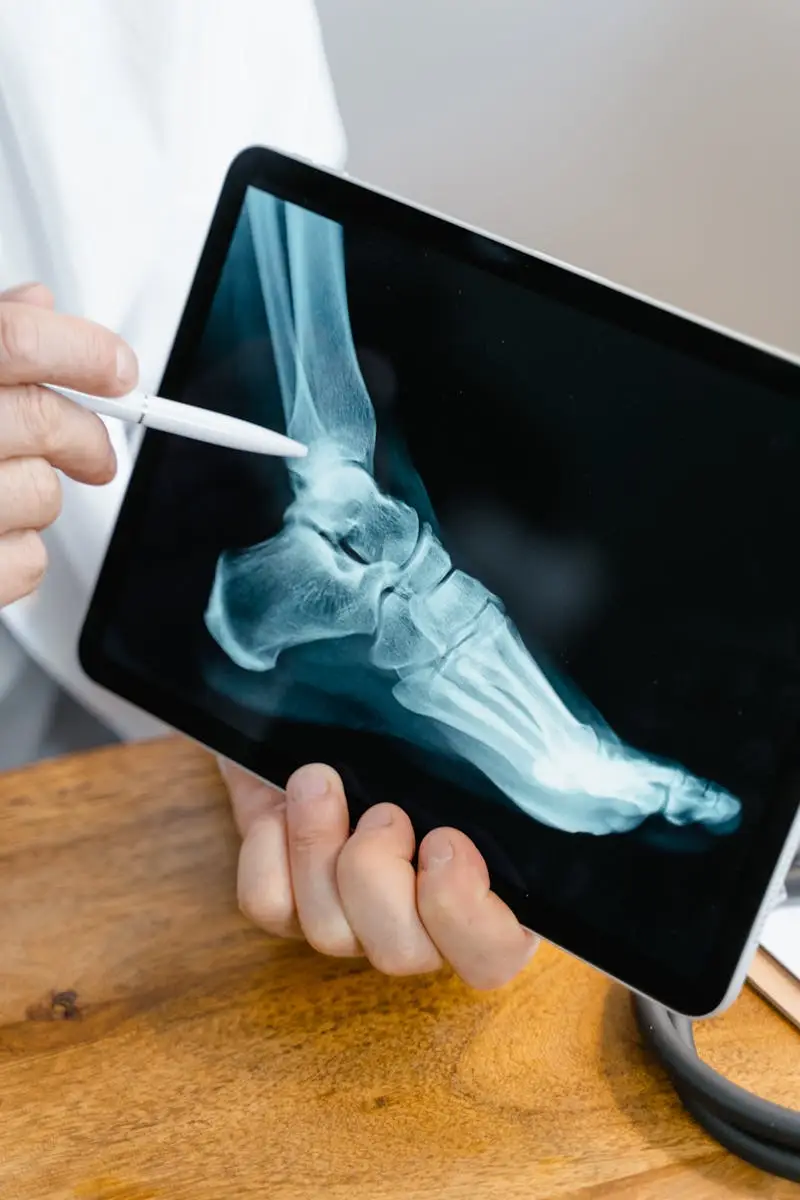
One of the most common questions people ask when they’re dealing with pain is, “Do I need a scan to see what’s going on?”
It’s a very normal concern. When pain doesn’t settle quickly, especially in the back or neck, it’s easy to assume something serious must be wrong. Scans like MRI or X-rays feel reassuring because they seem like they should provide clear answers.
However, in many cases, a scan is not necessary, and sometimes it can even make recovery harder.
Why it feels like a scan is the answer
Pain is uncomfortable and often worrying. When symptoms persist, many people fear that something is damaged, worn out, or out of place. A scan feels like the most direct way to confirm what is happening inside the body and to make sure nothing serious is being missed.
There’s also a common belief that finding a clear diagnosis on a scan will speed up recovery or tell you exactly what movements are safe or unsafe. Unfortunately, pain does not work that simply.
What scans actually show
Scans show structure, not pain.
An MRI or X-ray can identify things like disc bulges, joint degeneration, arthritis, or tendon changes. The problem is that these findings are extremely common in people with no symptoms at all. As we age, our bodies adapt and change, and many of these changes are a normal part of life rather than a sign of injury.
This means someone can have a scan that looks concerning but fee
l completely fine, while another person can be in significant pain with very little showing on imaging.
How scans can sometimes make things worse
In many cases, scans create fear rather than reassurance.
Being told you have “degeneration,” a “bulging disc,” or “wear and tear” can make people feel fragile or broken. This often leads to fear-avoidance behaviours, where movement is avoided because it feels unsafe or damaging.
When movement is avoided, strength reduces, confidence drops, and pain often becomes more persistent.
When scans are actually useful
This doesn’t mean scans are never appropriate. There are situations where imaging is important and necessary.
Scans are most useful when they are used to investigate more serious concerns identified during a detailed subjective assessment.
Imaging may be appropriate if there has been significant trauma, if symptoms are progressively worsening despite appropriate conservative management, or if there are signs of nerve compression alongside increasing weakness. Scans are also important when red flags are present, such as unexplained weight loss, significant night pain, or changes in bladder or bowel function.
In these situations, scans help guide further medical management and ensure the right referrals happen at the right time.
How physiotherapists assess pain without scans
Physiotherapists are trained to assess and diagnose musculoskeletal conditions clinically.
A thorough assessment involves understanding how and when symptoms started, what aggravates or eases them, how they affect daily life, work, and activity, and what your goals are. Movement, strength, and functional tasks are also assessed to understand how your body is coping with load.
Why rehab often starts without imaging
Most musculoskeletal pain responds best to education, reassurance, gradual exposure to movement, and progressive strengthening.
Waiting for imaging before starting rehab can delay recovery unnecessarily.
What about long-term or persistent pain?
When pain has been present for months or years, scans often show age-related changes that don’t fully explain symptoms. In these cases, focusing on movement quality, physical capacity, lifestyle factors, and confidence in the body tends to be far more effective than chasing scan results.
The bottom line
In many cases, you do not need a scan to start effective treatment.
At PhysioHub, we focus on understanding the person, not just the picture. Because pain is more than an image on a scan, and recovery is about rebuilding trust, strength, and movement
.
PhysioHub – Empowerment through Evidence-Based Education.